Fermented Foods for Gut Health: A Beginner's Explainer
Kefir in the milk aisle, kimchi beside the coleslaw, a shelf of kombucha by the sandwiches. Fermented foods have moved from the back of a health food shop to the middle of the weekly shop, usually with a promise attached: better digestion, a happier gut, more energy. Some of that is worth listening to. Some of it is marketing with a nice label.
Fermentation is older than refrigeration. Long before anyone had heard of a microbiome, people left cabbage in salt and milk in a warm room, because it made food last and taste good. What has changed is that we now have a rough idea why those foods might also do us good — and a clearer view of where the evidence stops.
What fermentation actually does
Fermentation is what happens when bacteria or yeasts break down the sugars and starches in food. In sauerkraut, salt draws water out of shredded cabbage and the lactic acid bacteria already living on the leaves get to work, turning sugars into lactic acid. That acid preserves the cabbage and gives it its sourness. No vinegar involved.
Milk kefir works on the same principle: a mix of bacteria and yeasts ferments the lactose, which is why kefir tastes tart and often suits people who struggle with ordinary milk. Kombucha starts as sweet tea and ends up lightly fizzy and vinegary. Miso, tempeh and sourdough all rely on the same basic process.
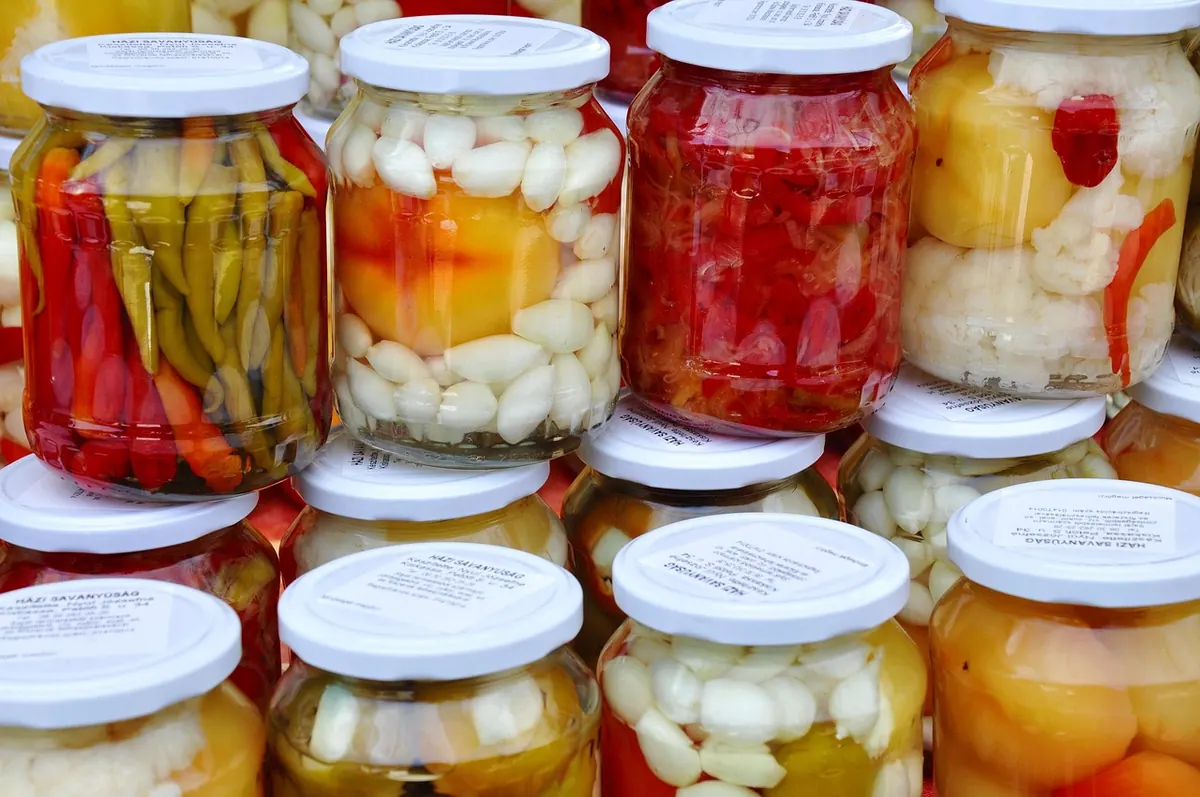
One distinction is worth holding on to. A cucumber pickled in vinegar is pickled, not fermented — the acid is added rather than made. It is still a perfectly good thing to eat, but it will not contain live cultures.
The usual suspects
Shopping is easier once you know what you are looking at.
- Sauerkraut and kimchi — cabbage fermented in salt, with radish, chilli, garlic and often fish sauce in the Korean version. Look in the chiller cabinet for words like raw, unpasteurised or live.
- Kefir and live yoghurt — milk fermented with bacteria, or with bacteria and yeasts in the case of kefir. Plain is the useful version; flavoured pots often carry a lot of sugar.
- Kombucha — fermented tea, sold chilled and usually lightly fizzy. Sugar content varies enormously between brands, so it pays to read the label.
- Miso and tempeh — fermented soya. Miso is a paste for soups and dressings; tempeh is a firm block you can slice and fry.
- Sourdough — the exception to the chiller rule. A long ferment changes the bread's texture and, for some people, how easy it is to digest, but the microbes do not survive the bake.
Shelf-stable jars and tins are usually heat-treated, which kills the cultures. That does not make them bad food, but you are buying them for flavour rather than for microbes.
What the evidence really says
Honesty first: gut science is young, and it is messy. The microbiome varies hugely from person to person, studies use different foods and different doses, and plenty of headlines rest on small trials. Anyone who tells you a spoonful of sauerkraut will fix your digestion is overselling it.
What we can say with reasonable confidence is modest. Fermented foods contain live microbes, and some may survive the journey through the stomach. Many are also a source of fibre and plant compounds that feed the bacteria already in your gut. When those bacteria ferment fibre, they produce short-chain fatty acids, which appear to help keep the gut lining healthy. Yoghurt and kefir are also useful sources of calcium, protein and some B vitamins.
In practice, that makes fermented foods a sensible addition to a diet already rich in plants — not a substitute for one. People who eat them regularly often report feeling better: less bloating, more regularity. But responses vary, and some people find certain ferments make them feel worse.
Two caveats worth knowing. Many fermented foods are salty, so if you are watching your sodium intake, portion size matters. They can also be high in histamine, which some people react to with headaches or flushing. If you have a digestive condition such as IBS, are pregnant or immunocompromised, or take regular medication, speak to your GP or a registered dietitian before making significant changes.
How to start, in practice
- Buy one thing, not six. A jar of sauerkraut or a bottle of plain kefir is plenty. Chilled, with live cultures on the label.
- Start small. A tablespoon of sauerkraut alongside a meal, or a small glass of kefir. Some people feel a bit gassy in the first week or two; that usually settles.
- Build up slowly. Two spoons, then three, over a couple of weeks. There is no target dose, and no benefit in forcing it.
- Eat it with meals rather than on an empty stomach — gentler, and easier to keep up.
- Note how you feel. A line in your phone is enough. If something consistently leaves you bloated or uncomfortable, stop and try a different type.
- Store it properly. Fridge, clean spoon, lid back on. Contamination is the main reason a good jar goes off.
Making your own: the short version
Cabbage is the easiest place to start, and the method has not changed in centuries. Shred a cabbage, weigh it, then add salt at roughly two per cent of the cabbage's weight — about 20g of salt for a kilo of cabbage. Massage the salt in and leave it for half an hour; the cabbage will release enough water to cover itself. Pack it tightly into a clean jar, push it down so the liquid sits above the vegetables, and cover loosely. Leave it on the counter and taste it after three or four days. It will keep improving for a week or two, then move it to the fridge.
Kefir is simpler still if you can get hold of grains: put them in milk, leave at room temperature for around 24 hours, strain and drink. The grains multiply, so you will have a supply for as long as you keep feeding them.
A few rules keep you out of trouble. Keep everything clean. Keep the vegetables under the brine. Trust your senses: a thin white film on top can be skimmed off, but furry mould, anything slimy, or a smell that turns your stomach means the batch goes in the bin. Do not taste it to check.
Start with one jar
Fermented food is one of the few things in the wellness aisle that is cheap, old and genuinely enjoyable to eat. You do not need a supplement, a subscription or a special diet. You need a jar of something live, a spoon, and a couple of weeks of paying attention.
If you like it, keep going. If you do not, you have lost the price of a jar. A tablespoon of sauerkraut with your lunch, or a glass of kefir in the morning, is a perfectly sensible place to begin — and a good deal less complicated than most of what gets written about the gut.
Photo: szjeno09190 / Pixabay