Common Mistakes When Making Sourdough (and How to Fix Them)
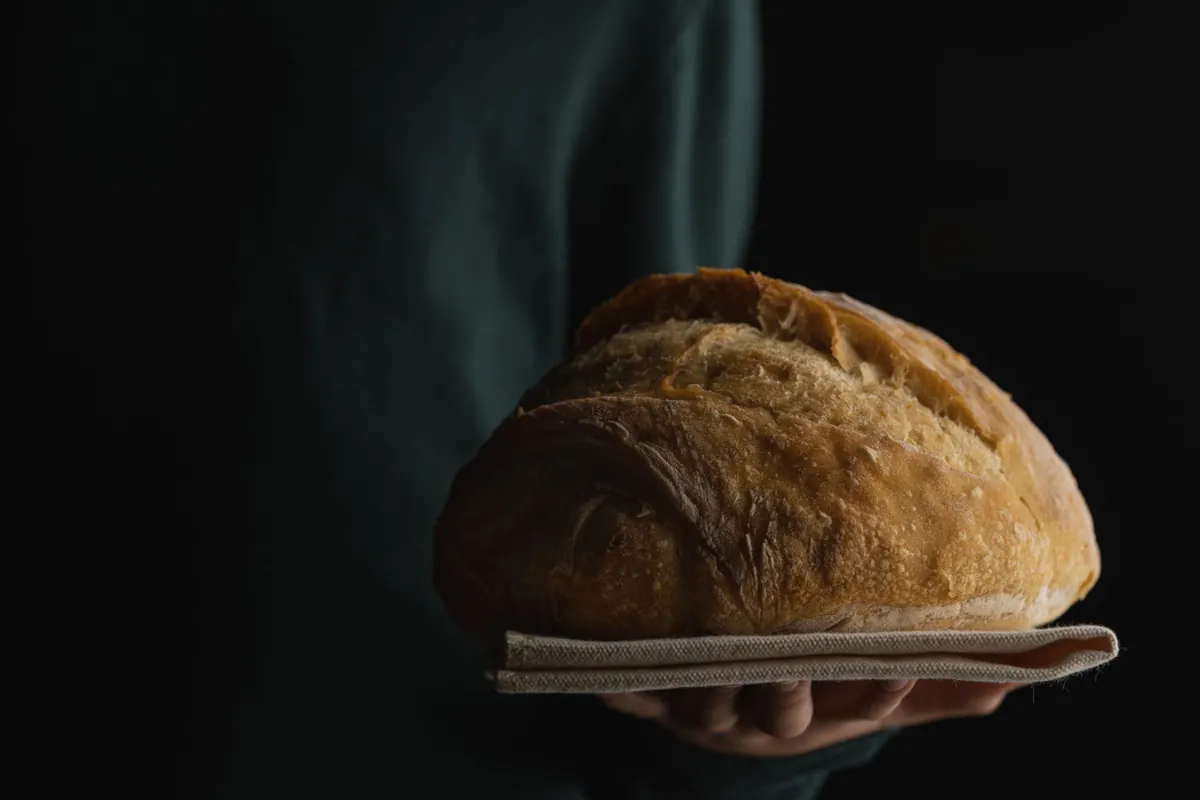
Few things are as irritating as pulling a loaf from the oven, tapping the base, hearing that promising hollow sound, then cutting in to find a tight, gummy crumb. Sourdough is simple in theory — flour, water, salt and time — but it punishes guesswork. The good news is that most disappointing loaves come down to a handful of repeat offenders, and every one of them has a practical fix. Learn to read your starter and your dough, and the results improve within a couple of bakes.
Start With the Starter
A starter that bubbles is not automatically ready. Bubbles mean activity; rise means strength. If yours foams a little but never grows, the yeast population is too weak to lift a kilo of dough, and no amount of clever shaping will rescue it.
Feed it and watch. A healthy starter should roughly double within four to six hours at room temperature, smell pleasantly sour rather than sharply of acetone, and have a domed, slightly cracked top. If it peaks and then sinks before you use it, you are baking with a starter that has already run out of food — a common reason for dense loaves that seem to ferment but never quite fill out.
Two habits help. Keep it warm, ideally 24–26°C, since a cold starter works slowly and unevenly. And adjust your feeding ratio: a 1:5:5 feed (starter, flour, water by weight) gives a longer window before it collapses, which suits a working day better than a 1:1:1 feed that peaks within a few hours.
Dense Crumb: Fermentation Is Usually to Blame
When a loaf comes out heavy and close-textured, the first suspect is bulk fermentation. Not the recipe's timings — your kitchen. Dough at 26°C can double in three hours; the same dough at 18°C may need six or seven. A recipe that says "bulk for four hours" is describing someone else's kitchen, not yours.
Judge the dough, not the clock. Use a clear, straight-sided container so you can see the rise. For a typical strong white flour dough, look for a 30–50% increase, a slightly domed surface, visible bubbles around the edges and a soft, aerated feel when you handle it.
A dough that fights back
If your dough feels tight, tears easily and springs back hard when you stretch it, it is under-fermented. Give it another 30–45 minutes somewhere warm, then check again. Rushing this stage is the single most common cause of a dense loaf with a pale, flat top.
Wholemeal and rye change the rules
Wholemeal and rye flours absorb more water and produce a naturally denser crumb. Expect less oven spring and a tighter structure even when everything goes right. Add extra water, keep the wholemeal proportion at around 20–30% while you are learning, and do not judge these loaves by white-bread standards.
Overproofing: When the Dough Runs Out of Steam
Overproofed dough has used up its sugars before it reaches the oven, so there is nothing left for the yeast to do when the heat hits. Signs include a slack, sticky dough that spreads rather than holds its shape, a surface that collapses when you touch it, a beery smell, and a baked loaf that is flat with a pale crust and a gummy, uneven crumb — large holes near the top, dense and wet underneath.
Long cold retards are where this usually happens. Twelve to sixteen hours in the fridge is a useful starting point, but a warm fridge, a lively starter or a long bulk before chilling can push the dough over the edge. Shorten the bulk, move the dough to a colder shelf, or reduce the retard to eight hours. If the dough already looks puffy and fragile before it goes in the fridge, bake it sooner rather than later.
Shaping, Proving and the Poke Test
Tension is what makes a loaf stand tall. Preshape the dough into a rough round, leave it covered for 20–30 minutes, then shape firmly. A well-floured banneton stops high-hydration dough from sticking and tearing as you turn it out.
For the final proof, use the poke test rather than a timer. Flour your finger and press gently into the side of the dough. If it springs back quickly and completely, it needs longer. If it springs back slowly and leaves a slight indent, it is ready. If the indent stays and the dough feels fragile, it is overproofed — bake it now. Bear in mind that cold dough always feels firm, so test it at room temperature or bake straight from the fridge with a slightly longer covered bake.
Heat, Steam and the Crust
A pale, soft crust usually means the oven was not hot enough or there was no steam. Steam keeps the surface pliable early in the bake, letting the loaf expand fully before the crust sets.
Preheat a Dutch oven, or a heavy tray with a roasting tin of water underneath, at 240–250°C. Bake covered for 20 minutes, then uncover and drop to 220°C for another 20–25 minutes, until the crust is a deep, burnished brown. A hollow tap on the base is a decent guide. When in doubt, give it five more minutes: underbaked bread tastes exactly like a proving fault.
Then leave it alone. Cooling is part of baking. Cutting a hot loaf releases steam and starch that has not finished setting, which gives you the gummy crumb you were trying to avoid. Wait at least two hours.
A Quick Troubleshooting List
- Dense, tight crumb: weak starter, or bulk fermentation cut short.
- Gummy, sticky crumb: loaf cut too soon, or underbaked.
- Flat, spreading loaf: overproofed dough, or shaping that lost tension.
- Large holes under the crust, dense base: underproofed — sometimes called a fool's crumb.
- Pale, soft crust: oven not hot enough, or no steam.
- Slack dough and a bland crust: salt left out. It is easy to do, and the dough will rise too fast without it.
Change One Thing at a Time
Sourdough goes wrong in layers, and changing three variables at once teaches you nothing. Keep a plain notebook: room temperature, starter peak time, bulk duration, final proof, bake. Then adjust one thing next time — an extra hour in bulk, a slightly warmer spot, a shorter retard.
If you only fix one habit this month, make it this: use your starter at its peak and give the dough the time it actually needs in your kitchen. Do that, and most of the other problems disappear on their own.
Photo: Skyler Ewing / Pexels